
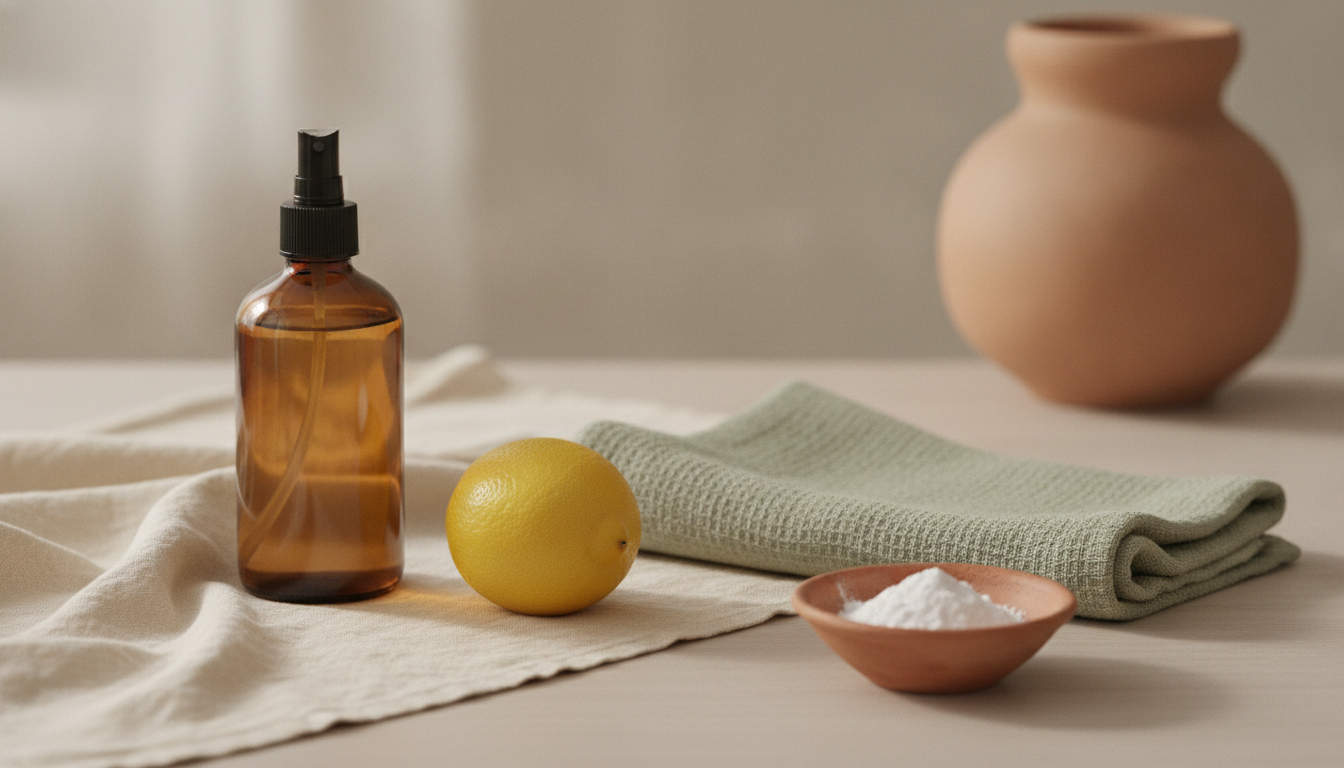
Die besten ökologischen Reinigungsmittel
Wir haben 8 ökologische Reinigungsmittel auf Sicherheit, Leistung und ehrliche Etiketten geprüft, mit Quellen von EPA und EWG sowie einem Produkt, das wir meiden würden.
Von Das PlasticFreeLab-TeamAktualisiert am 16. Juni 202614 Min. Lesezeit
Hinweis·PlasticFreeLab testet und empfiehlt unabhängig. Über einige unserer Verlinkungen erhalten wir gelegentlich eine Provision – sie hat keinerlei Einfluss auf unsere Bewertungen.
So kommt 89/100 zustande.
Branch Basics Concentrate
Branch Basics bringt die beiden wichtigsten Dinge zugleich auf den Punkt: eine vollständig deklarierte, duftfreie Rezeptur und wirklich nützliche Reinigung auf nahezu jeder Oberfläche aus einer einzigen Flasche. Es ist das System, zu dem wir am häufigsten gegriffen haben, und das wir jemandem in die Hand geben würden, der zum ersten Mal umsteigt, ohne einen langen Vortrag über Inhaltsstoffe zu halten.
Was wir kaufen würden, in dieser Reihenfolge.
- 01Beste Wahl insgesamt90
Branch Basics Concentrate
Ein einziges Konzentrat aus Pflanzen und Mineralien, das Sie in verschiedene Flaschen für Allzweck-, Bad- und streifenfreie Glasreinigung verdünnen, was sowohl Kosten als auch Plastik einspart. Die vollständige Liste der Inhaltsstoffe ist veröffentlicht, es ist duftfrei und enthält keine quartären Ammoniumverbindungen (die Quats, die in einigen Studien mit Atemwegsreizungen in Verbindung gebracht werden). In unseren Praxistests löste es Küchenfett und Seifenrückstände ohne den scharfen Geruch oder die Handschuhe, die die meisten Sprays zu verlangen scheinen. Der ehrliche Vorbehalt: Es ist ein Reiniger, kein Desinfektionsmittel, es tötet also keine Viren von allein ab, und das Starterset ist nicht günstig. Für die alltägliche schadstoffarme Reinigung war es die vollständigste Wahl, die wir getestet haben.
WerbungCheck Amazon - 02Bester Allzweckreiniger88
Puracy Multi-Surface Cleaner
Ein gebrauchsfertiges Spray, das die tägliche Arbeit ehrlich erledigt: Tenside auf Pflanzenbasis, eine vollständig benannte Liste der Inhaltsstoffe und ein leichter, optionaler Duft statt einer undeklarierten Mischung aus Duftstoffen, die Dutzende Komponenten verbirgt. In unseren Tests wischte es Arbeitsflächen, versiegelten Stein und Glas ohne Streifen oder Rückstände ab und ist sanft genug, um es ohne Handschuhe zu verwenden. Es ist weithin erhältlich und angemessen im Preis. Wie jeder Reiniger hier ist es kein Desinfektionsmittel, greifen Sie also zu einem registrierten Produkt, wenn Sie wirklich Keime abtöten müssen.
WerbungCheck Amazon - 03Beste nachfüllbare Wahl87
Blueland Multi-Surface Tablets
Das interessante Format in dieser Gruppe: Sie behalten eine wiederverwendbare Flasche und geben eine sich auflösende Tablette mit Leitungswasser hinein, sodass Sie keine mit Wasser gefüllten Sprühflaschen mehr versenden und entsorgen. Die Inhaltsstoffe sind deklariert, die Duftoptionen sind klar gekennzeichnet und die Reinigung überzeugt bei alltäglichen Arbeitsflächen, Glas und leichtem Fett. Es kann mit einem starken Entfetter bei eingebranntem Schmutz nicht mithalten, und die Tabletten kosten pro Reinigung mehr als ein Konzentrat im Großgebinde, aber um Einwegplastik ohne Rätselraten zu reduzieren, ist es der einfachste Wechsel, den wir gefunden haben.
WerbungCheck Amazon - 04Beste duftfreie Wahl86
AspenClean Unscented All-Purpose
Die Wahl für Leserinnen und Leser, deren eigentliches Anliegen Duftstoffe sind, die das häufigste Kontaktallergen in der dermatologischen Fachliteratur und ein häufiger Auslöser für die Atemwege darstellen. AspenClean ist EWG Verified und wirklich unparfümiert statt überdeckt, mit einer kurzen, vollständig benannten Liste der Inhaltsstoffe und ohne Quats. Es reinigte alltägliche Verschmutzungen in unseren Tests zuverlässig, verlangt aber bei eingetrocknetem Fett etwas mehr Schmalz als ein stärkerer Entfetter. Eine ruhige, transparente Wahl für empfindliche Haushalte und alle, die Duft schlicht nicht mögen.
WerbungCheck Amazon - 05Bestes Desinfektionsmittel85
Force of Nature Starter Kit
Ein ungewöhnliches Gerät, das einen elektrischen Strom durch Wasser, Salz und Essig leitet, um hypochlorige Säure und eine kleine Menge Natriumhydroxid zu erzeugen, dieselbe Chemie, die hinter manchen Krankenhausreinigern steckt. Es ist ein EPA-registriertes Desinfektionsmittel, dessen Wirkung gegen viele Bakterien und Viren nachgewiesen ist, und doch enthält es keine zugesetzten Duftstoffe und hinterlässt keine bleibenden Rückstände, was für einen Keimtöter selten ist. Sie müssen eine frische Charge ansetzen und die auf dem Etikett angegebene Einwirkzeit beachten. Es entfettet nicht wie ein seifenbasiertes Spray, daher betrachten wir es als den desinfizierenden Partner eines guten Allzweckreinigers und nicht als Flasche für alles.
WerbungCheck Amazon - 06Bester Preis-Tipp84
ECOS All-Purpose Cleaner
Das Preis-Leistungs-Argument in dieser Übersicht. ECOS ist EPA-Safer-Choice-zertifiziert, pflanzenbasiert, weithin erhältlich und günstig genug, um es großzügig auf Böden, Arbeitsflächen und allgemeinem Schmutz einzusetzen. Die Liste der Inhaltsstoffe ist deklariert und es verzichtet auf Quats und Farbstoffe. Die Leistung ist solide statt herausragend, und die parfümierten Varianten sind, obwohl klar gekennzeichnet, dennoch besser zu meiden, wenn Duftstoffe Ihr Anliegen sind (wählen Sie die frei-und-klare Variante). Für erschwingliche, zertifizierte Alltagsreinigung ist es schwer zu schlagen.
WerbungCheck Amazon - 07Beste Mehrzweckbasis82
Dr. Bronner's Pure-Castile Soap
Eine hundert Jahre alte, vollständig deklarierte Kastilienseife, die Sie für Böden, Geschirr und Oberflächen stark verdünnen, was sie zu einer der wirtschaftlichsten und plastikärmsten Optionen überhaupt macht. Die Etiketten sind bekannt für ihre Transparenz und die Rezeptur ist wirklich einfach. Zwei ehrliche Hinweise: Sie ist konzentriert, eine Überdosierung hinterlässt also einen Film, und Sie dürfen sie niemals mit sauren Reinigern wie Essig kombinieren, der die Seife zu einem nutzlosen Rückstand gerinnen lässt. Sie ist ein Reiniger, kein Desinfektionsmittel, und die parfümierten Varianten verwenden ätherische Öle, auf die manche empfindliche Haut reagiert. Richtig eingesetzt ist sie ein Arbeitstier.
WerbungCheck Amazon
Namentlich genannt, nicht angedeutet.
Simple Green All-Purpose Cleaner
Würden wir meiden62Simple Green ist günstig, wirksam gegen Schmutz und in ein grünes Branding gehüllt, das auf den ersten Blick als schadstofffrei durchgeht, was genau der Grund ist, warum wir es kennzeichnen. Die ursprüngliche Rezeptur führt Duftstoffe als ein einziges undeklariertes Wort auf und war mit EWG-Gefahrenbedenken zu bestimmten Inhaltsstoffen behaftet, und der Name selbst leistet die Arbeit, die das Etikett nicht leistet. Es ist bei normaler Belüftung nicht gefährlich in der Anwendung und reinigt gut, aber für Leserinnen und Leser, die gezielt unter dem Aspekt der Schadstofffreiheit einkaufen, ist es die Art von vagem, grüngewaschenem Produkt, das eine klar gekennzeichnete Wahl weiter oben für ähnliches Geld ersetzt.
So ist dieser Vergleich entstanden
- Wonach wir ausgewählt haben
- Offengelegte Materialien, unabhängige Zertifikate, Haltbarkeit im realen Kochen, unabhängige Schadstoffmessungen, sofern verfügbar.
- Wie wir bewertet haben
- Herstellerunterlagen, Behördendokumente, begutachtete Veröffentlichungen und praktische Dauertests. Wir lesen die Etiketten und die Belege, nicht die Pressemitteilungen.
- Wer uns widerspricht
- Wir formulieren in jedem Vergleich die Gegenposition möglichst stark aus und nennen die Marke, die wir beinahe gewählt hätten – samt dem Grund, warum nicht.
- Was unsere Meinung ändern würde
- Neue unabhängige Labortests, eine Reformulierung durch eine gelistete Marke oder ein begutachteter Befund, der unserer aktuellen Begründung widerspricht.
Was uns am häufigsten gefragt wird.
- Bedeutet schadstofffrei oder natürlich auf einem Reinigungsetikett überhaupt etwas?
- Für sich genommen nicht wirklich. Begriffe wie natürlich, grün, öko und schadstofffrei sind für Reinigungsmittel nicht reguliert oder definiert, eine Marke kann sie also frei als Marketing verwenden. Die Signale, die tatsächlich Gewicht haben, sind die von Dritten: die EPA-Safer-Choice-Zertifizierung, eine gute EWG-Bewertung und die vollständige Deklaration der Inhaltsstoffe auf dem Etikett. Wenn ein Produkt es vermeidet, seine Inhaltsstoffe zu nennen, füllen die freundlichen Worte auf der Vorderseite diese Lücke nicht.
- Was verbergen Duftstoffe auf einem Reinigungsetikett tatsächlich?
- Ein einziges Wort wie Duftstoffe oder Parfum kann für eine Mischung aus Dutzenden undeklarierter Komponenten stehen, geschützt als Betriebsgeheimnis. Das ist relevant, weil Duftstoffe das führende Kontaktallergen in der dermatologischen Fachliteratur und ein häufiger Atemwegsreizstoff sind. Es ist nicht automatisch für alle schädlich, aber wenn Sie oder jemand in Ihrem Haushalt empfindlich sind, wählen Sie ein wirklich duftfreies Produkt oder eines, das seine Duftinhaltsstoffe benennt, statt dem Sammelbegriff zu vertrauen.
- Sind Quats (quartäre Ammoniumverbindungen) etwas, das man meiden sollte?
- Quats sind verbreitete Desinfektionswirkstoffe (achten Sie auf Namen, die auf Ammoniumchlorid enden). Sie wirken, aber Forschung hat berufliche und wiederholte Exposition mit Asthma und Atemwegsreizungen in Verbindung gebracht, und sie sind ein anerkannter Sensibilisator für Haut und Atemwege. Für die alltägliche Reinigung benötigen Sie sie nicht. Wenn Sie wirklich desinfizieren müssen, sind gute Belüftung und das Einhalten der auf dem Etikett angegebenen Einwirkzeit wichtiger als das Marketing, und sanftere EPA-registrierte Optionen wie hypochlorige Säure gibt es.
- Reinigen Essig und Natron tatsächlich, und können sie desinfizieren?
- Sie reinigen viele alltägliche Verschmutzungen gut: Essig löst Mineral- und Seifenrückstände, Natron hebt Fett an und neutralisiert Gerüche. Aber sie sind keine Desinfektionsmittel und sollten nicht herangezogen werden, um Viren oder schädliche Bakterien abzutöten, ein Punkt, in dem die Leitlinien des öffentlichen Gesundheitswesens eindeutig sind. Verwenden Sie sie zur routinemäßigen Reinigung und verwenden Sie ein EPA-registriertes Desinfektionsmittel, wenn das Abtöten von Keimen das eigentliche Ziel ist, etwa nach einer Krankheit oder dem Umgang mit rohem Fleisch.
- Welche Reinigungsmittel sollten niemals gemischt werden?
- Kombinieren Sie niemals Bleichmittel mit Ammoniak, was giftiges Chloramingas erzeugt, und kombinieren Sie niemals Bleichmittel mit Essig oder anderen Säuren, was Chlorgas freisetzt. Beides kann versehentlich geschehen, wenn man Produkte auf derselben Oberfläche übereinanderschichtet. Verwenden Sie jeweils ein Produkt, spülen Sie dazwischen und lüften Sie den Raum. Das Mischen vermeintlich hilfreicher Reiniger ist eine der häufigsten Ursachen für gefährliche Dämpfe zu Hause.
Neue unabhängige Labortests, die unserer aktuellen Reihenfolge widersprechen. Eine stille Reformulierung einer Top-Empfehlung, die ein offen gelegtes Zertifikat verliert. Eine begutachtete Veröffentlichung, die das Sicherheitsbild zu einem der oben genannten Materialien verändert. Wir aktualisieren diese Seite innerhalb einer Woche und kennzeichnen, was sich geändert hat.
Quellen, die wir auf dieser Seite zitieren.
Das PlasticFreeLab-Team
Eine kleine Gruppe aus Recherchierenden und Schreibenden, die durch das Rauschen rund um schadstoffarmes Leben hindurchhört. Wir lesen die Studien, lesen die Etiketten, prüfen die Produkte – und passen unsere Empfehlungen an, sobald die Wissenschaft sich weiterbewegt. Wir nehmen kein Geld für Produktplatzierungen, legen jede Affiliate-Beziehung offen und nennen die Marken, die wir ablehnen.
Verwandtes in dieser Rubrik.
- Der Leitartikel11 Min.
Endokrine Disruptoren (EDC): Was sie sind, wie schützen
Mikroplastik · Was endokrine Disruptoren sind, die wichtigsten Klassen wie BPA und Phthalate, wie sie auf Hormone wirken, wer am stärksten gefährdet ist und wie Sie die Belastung senken.
- Der Leitartikel10 Min.
Was sind Phthalate? Wo sie stecken, wie Sie sie meiden
Mikroplastik · Ein ruhiger, belegter Leitfaden dazu, was Phthalate sind, wo sie sich in Alltagsprodukten verbergen, warum sie wichtig sind und wie Sie Ihre Belastung senken.
- Der Vergleich14 Min.
Bestes ökologisches Waschmittel 2026, getestet und bewertet
Wohnen · Wir haben 8 ökologische Waschmittel nach Transparenz, Duftstoffen, Reinigungskraft und Preis bewertet, mit Quellen von EPA, FDA und EWG sowie einem zum Meiden.
- Der Vergleich12 Min.
Beste schadstofffreie Windeln 2026, getestet und gerankt
Wohnen · Wir haben Wegwerfwindeln nach Materialien, Duftstoffen und Lotionen, Zertifizierungen und Trockenheit gerankt, mit einem klaren Favoriten und einer Standardwindel, von der wir abraten.
Holen Sie sich das Küchen-Audit.
Eine druckbare Liste mit 50+ Küchenartikeln, jeweils eingeordnet als jetzt tauschen / später tauschen / kein Aufwand. Kostenlos. Sofort zugestellt.
Mit der Anmeldung stimmen Sie unserer Datenschutzerklärung zu. Eine ruhige E-Mail pro Woche. Jederzeit kündbar.
50+ Artikel