
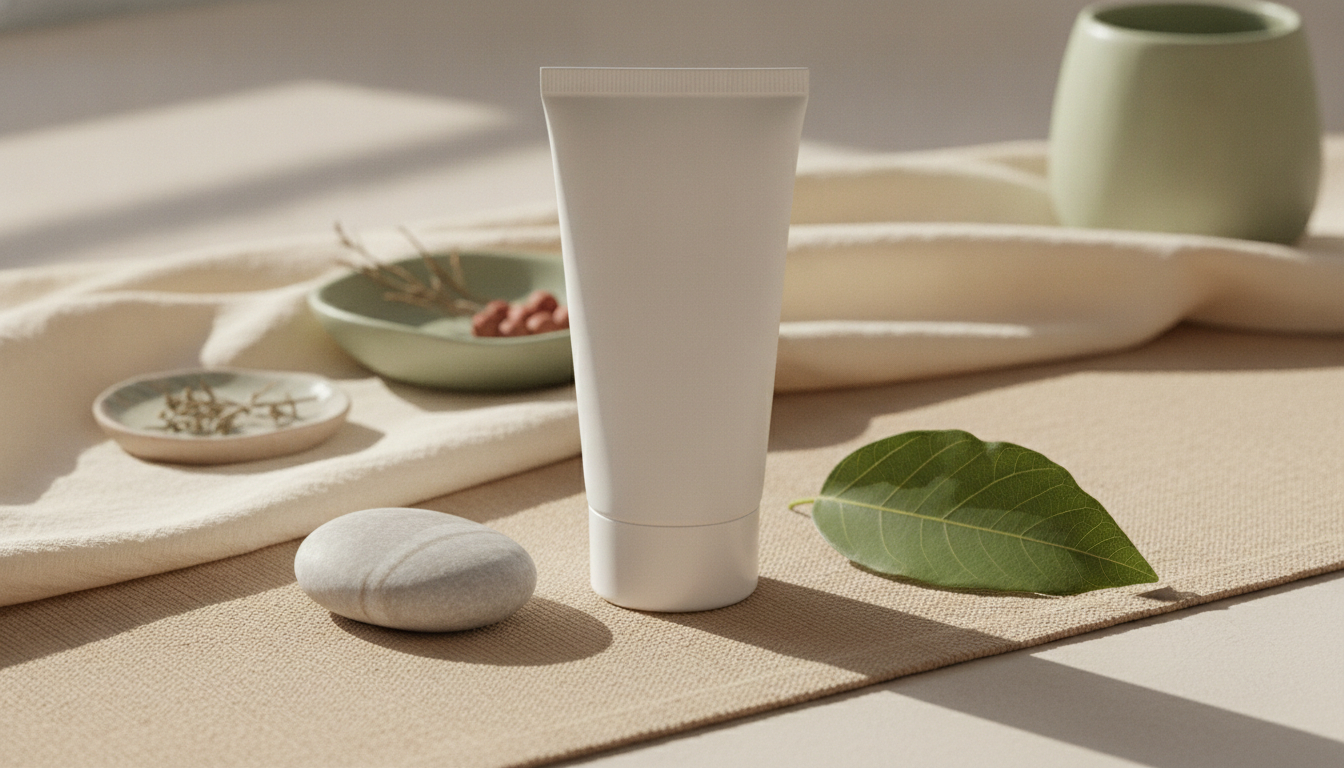
Best mineral sunscreens
We tested mineral (zinc oxide and titanium dioxide) sunscreens for protection, feel, and white cast. Here are 8 we trust, plus one to skip.
Por El equipo de PlasticFreeLabActualizado el June 16, 202614 min de lectura
Aviso·PlasticFreeLab prueba y recomienda con independencia. A veces percibimos una comisión cuando compra a través de nuestros enlaces — nunca afecta a nuestras clasificaciones.
Cómo se obtuvo el 90/100.
Thinksport SPF 50+
Non-nano zinc oxide, genuinely water-resistant for 80 minutes, and an easy-to-find price that makes daily reapplication realistic. The best sunscreen is the one you will actually put on again.
Todo lo que compraríamos, por orden.
- 01Best overall90
Thinksport SPF 50+
A 20 percent non-nano zinc oxide formula that rubs in faster than most minerals and holds up to 80 minutes in water. It leaves a slight cast on deeper skin tones, but the protection, price, and wide availability make it the one we reach for most. Reapply every two hours and after swimming.
PublicidadCheck Amazon - 02Best for face87
Supergoop Mineral Sheerscreen SPF 30
The closest a mineral has come to disappearing on skin. Roughly 9 percent zinc oxide in a silky, semi-matte base that sits well under makeup with minimal cast. SPF 30 is lower than our top pick, so it is best for daily city wear rather than a beach day, and you still need to reapply.
PublicidadCheck Amazon - 03Best for kids86
Babo Botanicals Sheer Mineral SPF 50
A fragrance-free, non-nano zinc formula that goes on smoothly and is gentle enough for sensitive and eczema-prone skin. Water-resistant for 80 minutes. The cast is noticeable but blends with effort. A reliable family bottle for parks and pools.
PublicidadCheck Amazon - 04Best sport/water-resistant86
Blue Lizard Sport Mineral SPF 50+
A thick, no-nonsense zinc and titanium formula built to stay put through sweat and 80 minutes of water. The bottle even turns blue in UV light as a reminder to cover up. Heavier feel and a real white cast, but hard to beat for long days outdoors.
PublicidadCheck Amazon - 05Most minimal formula83
Badger Active Mineral SPF 30
One of the shortest ingredient lists here: non-nano zinc oxide in a base of a few organic oils and beeswax. Stiff in the cold and slow to rub in, with a clear cast, but a great choice if you want the fewest possible ingredients on your skin.
PublicidadCheck Amazon - 06Best plastic-free packaging81
Attitude Mineral SPF 30
Non-nano zinc oxide in a plastic-free cardboard tube, EWG Verified, and fragrance-free. The eco packaging is the standout. The formula is decent but on the greasy side and casts more than our face pick, so we like it best for arms, shoulders, and travel.
PublicidadCheck Amazon - 07Best budget80
CeraVe Hydrating Mineral SPF 30
An affordable, easy-to-find drugstore mineral with ceramides and niacinamide that feels more like a moisturizer than a sunscreen. Lower SPF and a softer water resistance, but a fine low-cost entry point for daily face wear if you reapply diligently.
PublicidadCheck Amazon
Nombrado, no insinuado.
Two Peas Organics SPF 30 Spray
We'd skip63We like this brand's lotions, but the mineral spray is hard to recommend. Aerosol and pump mineral sprays make it very easy to apply too thin and miss spots, and inhalation of zinc particles is a concern the FDA has flagged. For mineral protection, choose a lotion or stick and rub it in. Skip the spray.
Cómo se ha hecho este comparativo
- Criterios de selección
- Materiales declarados, certificación independiente, durabilidad en cocina real y pruebas independientes de contaminantes cuando están disponibles.
- Cómo evaluamos
- Declaraciones de los fabricantes, documentación regulatoria, artículos revisados por pares y pruebas de uso en condiciones reales. Leemos las etiquetas y los expedientes, no las notas de prensa.
- Quién no está de acuerdo con nosotros
- Formulamos lo mejor posible la posición contraria en cada comparativo y nombramos la marca que estuvimos a punto de elegir, explicando por qué no la elegimos.
- Lo que nos haría cambiar de opinión
- Nuevas pruebas independientes, una reformulación de una marca clasificada o un hallazgo revisado por pares que contradiga nuestro razonamiento actual.
Lo que más nos preguntan.
- Is mineral sunscreen actually better than chemical sunscreen?
- Not necessarily. Dermatologists agree the best sunscreen is the one you will wear and reapply, and any broad-spectrum SPF 30 or higher beats none. Mineral filters (zinc oxide, titanium dioxide) sit on top of skin and are a good pick for sensitive skin and reef-conscious travel. Chemical filters are also considered safe and effective. It is largely a personal and ingredient-preference choice.
- Why does mineral sunscreen leave a white cast?
- Zinc oxide and titanium dioxide are white minerals that reflect and scatter light, including visible light, which is what you see as a cast. Newer formulas use smaller particle sizes and tints to reduce it, but some cast is the trade-off for that physical barrier. Tinted minerals tend to blend best across skin tones.
- Are zinc oxide and titanium dioxide safe?
- The FDA classifies both zinc oxide and titanium dioxide as GRASE, meaning generally recognized as safe and effective, the only two sunscreen filters with that status. Topically, they are not meaningfully absorbed into the bloodstream. The main caution is avoiding loose powder or spray forms where you might inhale the particles.
- What does reef-safe sunscreen really mean?
- There is no federal definition of reef-safe, so the label alone is not regulated. The concern is two chemical filters, oxybenzone and octinoxate, which Hawaii and Key West have banned over coral-reef concerns. Non-nano mineral sunscreens are generally the safer choice for ocean swimming, but always reapply and cover up too.
- How much sunscreen should I use and how often?
- Use about a teaspoon for your face and neck and roughly a shot glass full for your body. Apply 15 minutes before sun exposure and reapply every two hours, and immediately after swimming, sweating, or toweling off. Under-applying is the single most common reason sunscreen underperforms its SPF.
Nuevas pruebas independientes que contradigan nuestra clasificación. La reformulación silenciosa de un producto bien situado que pierda una certificación declarada. Un artículo revisado por pares que cambie el cuadro de seguridad de uno de los materiales anteriores. Actualizaremos esta página en una semana y señalaremos qué ha cambiado.
Fuentes citadas en esta página.
El equipo de PlasticFreeLab
Un grupo pequeño de investigadoras y redactores que abre paso entre el ruido en torno a la vida sin tóxicos. Leemos los estudios, leemos las etiquetas, probamos los productos — y actualizamos las recomendaciones a medida que la ciencia avanza. No aceptamos pagos por emplazamiento, declaramos cada relación de afiliación y nombramos las marcas que descartamos.
Relacionado en esta sección.
- El reportaje de fondo11 min
Endocrine Disruptors (EDCs): What They Are and How to Limit Exposure
Microplásticos · What endocrine disruptors are, the main classes like BPA and phthalates, how they affect hormones, who is most at risk, and how to lower exposure.
- El comparativo14 min
Best Natural & Aluminum-Free Deodorants of 2026, Tested and Ranked
Higiene · We tested eight aluminum-free deodorants for odor control, skin tolerance, and honest ingredient labels. Here are our picks and the ones to skip.
- El comparativo14 min
Best Non-Toxic & Sulfate-Free Shampoos of 2026, Tested and Ranked
Higiene · We ranked 8 sulfate-free, non-toxic shampoos on ingredient safety, lather, and hair-type fit, with EWG and FDA sources and one pick we'd skip.
- El comparativo14 min
Best Fluoride-Free Toothpaste of 2026, Tested and Ranked
Higiene · We tested 8 fluoride-free toothpastes. Honest take: fluoride still wins on cavities, so we favored hydroxyapatite picks that come closest.
Reciba la auditoría de la cocina.
Una lista imprimible con más de cincuenta artículos de cocina, cada uno clasificado como sustituir ya / sustituir más adelante / no merece la pena. Gratuito. Entrega inmediata.
Al suscribirse, acepta nuestra política de privacidad. Un correo sereno por semana. Cancele la suscripción cuando quiera.
50+ artículos